A Clean Vehicle Design for Modern Machine Embroidery
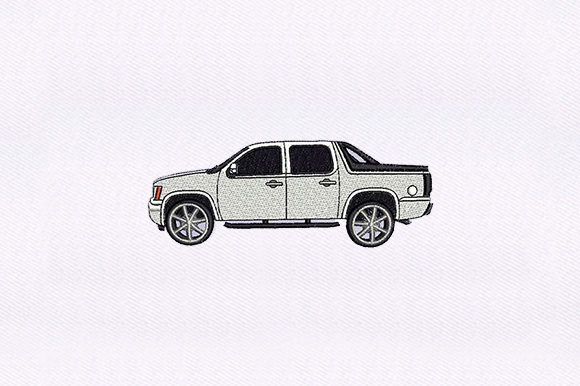
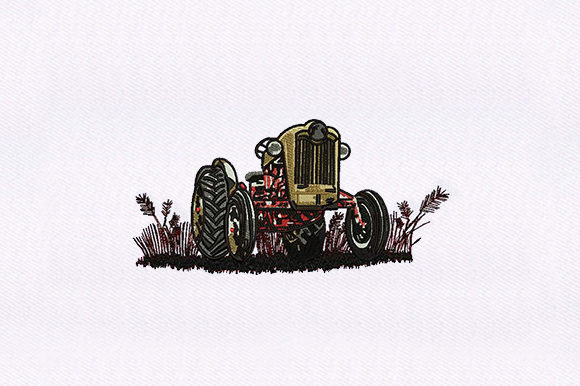
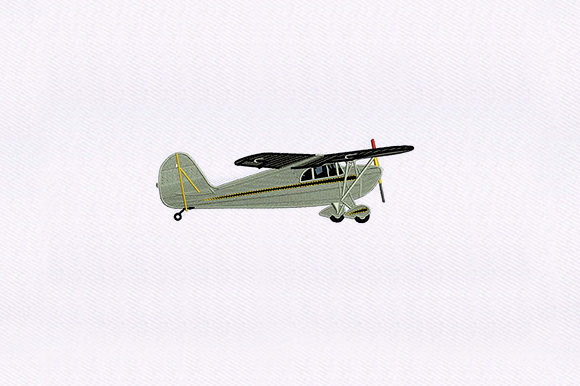
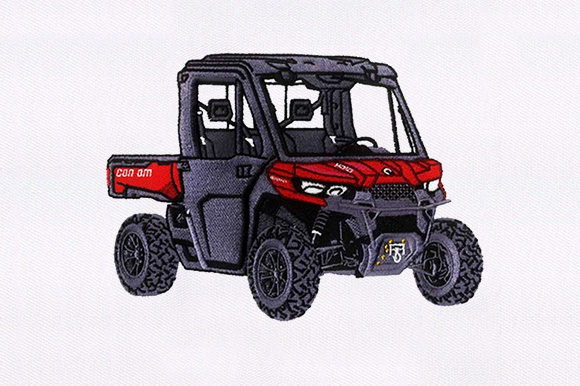
When you download a new embroidery file, the first question is always: "Will this look good on the finished product?" It’s a practical concern, especially when you’re planning for client work or your next craft fair batch. Opening the Vehicle design, I immediately appreciated its straightforward nature. This isn’t a hyper-detailed technical drawing; it’s a clean, graphic representation that feels ready to stitch.
The Mood is Uncomplicated and Versatile
The shape and layout of this design create a mood of simple recognition. It’s the kind of graphic that doesn’t shout, but communicates clearly. The visual personality leans modern and friendly, which makes it incredibly versatile. As a designer, I see it fitting naturally onto a child’s tote bag, a dad’s work cap, or as a subtle accent on a kitchen towel in a boutique home goods line. It doesn’t carry a specific seasonal or gendered feel, which is a huge advantage for small shop owners looking for designs that can span multiple product lines.
Where This Vehicle Design Excels in Real Projects
I picture this embroidery design performing beautifully in several real-life situations. For custom apparel, like a left-chest embroidery on a sweatshirt, it would offer a neat, professional look. Its clarity would make it a strong choice for a small, personalized gift—think a baby blanket corner with a name and this vehicle underneath. The level of detail is such that it won’t become a muddy blob on textured fabrics, like a canvas apron, which is a common pitfall with more intricate designs.
For Etsy sellers and creative entrepreneurs, this file is a solid digital asset for creating embroidered patches. The clean lines promise good stitch definition, which translates directly to customer trust in the handmade presentation. Stitched onto a denim jacket as a patch, it would look intentional and well-crafted, not homemade in a negative sense. That’s crucial for brand consistency and perceived value.
Considerations for Stitching and Final Placement
While the design feels adaptable, every embroidery file has its optimal uses and its careful spots. With a design like this, you’ll want to be mindful on very small hoop sizes. Some of the contained shapes might need a certain minimum size to maintain their integrity, especially if there are any small interior details. I always advise testing on scrap fabric first to see how the stitch density behaves.
Dark fabric backgrounds are another key consideration. The success here will depend entirely on your thread color choices. A high-contrast palette will make this vehicle pop on a black tee; a low-contrast one might make it fade. This is a perfect candidate for testing in black and white printable mockups before committing thread and time. On curved surfaces like caps, the overall compact shape should work well, but you must use the proper stabilizer to prevent distortion, especially on the crown’s curve.
Turning a Design File into a Valuable Product
How does this kind of embroidery design affect the final product’s appeal and engagement? A clean, well-stitched vehicle graphic adds a touch of personality without overwhelming the item. On a pillow cover, it becomes a subtle decorative accent. On a holiday gift like an embroidered tea towel, it feels giftable and recognizable—a nice alternative to florals or seasonal motifs. For commercial embroidery projects, such as small batch merchandise for a local business, it projects professionalism because the execution looks controlled and intentional.
The practical value for embroidery designers and business owners is clear. It’s a design that can serve many masters: a hobbyist making a personalized gift for a car-loving friend, an apparel decorator adding it to a line of tote bag designs, or a digital product seller using it in a preview for a client. Its strength is in its simplicity and broad category.
A Few Professional Notes Before You Hoop It
My final thoughts always circle back to the hands-on, practical steps. With the Vehicle design, given the range of embroidery file formats included—from PES to DST and JEF—compatibility is wide, but always confirm your specific machine format before loading. The category, Transportation, is a helpful guide, but the real test is on the fabric.
- Always stitch a test run on a scrap of your intended fabric. Check the thread color contrast against both light and dark backgrounds.
- Review the stitch density in the test; dense fill areas can be stiff on lightweight or stretchy fabrics like thin t-shirts.
- Inspect the small details in the stitched sample. How do the corners and turns look? This tells you if any manual adjustments are needed.
- Confirm the licensing terms for this digital embroidery file before selling finished items or using it in commercial embroidery. This is a non-negotiable step for craft business integrity.
Embroidery is a beautiful blend of digital files and physical craft. A design like this bridges that gap effectively. It feels ready for the hoop, ready to become part of a handmade product that carries its own simple, confident story. Whether it’s destined for a baby item, a boutique product, or your own creative project, its uncomplicated nature is its greatest asset.