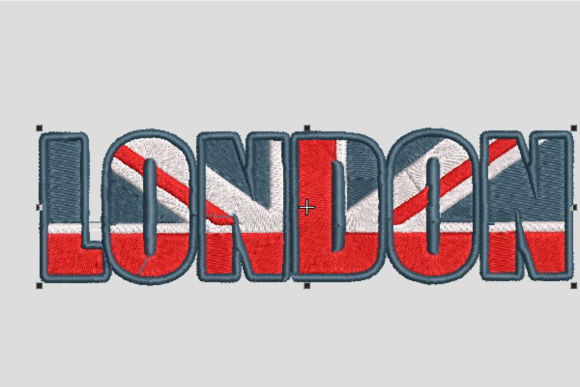
London Logo Embroidery: A Designer's Review for Craft Fair Success
When I sit down to evaluate a new embroidery file for my craft fair booth, I'm looking at more than just the stitches. I'm thinking about how it will look on a crowded table, how it will feel in a customer's hands, and how much work it will take to turn it into a profitable, sellable product. Let’s put London Logo through that real-world lens.
The First Impression: Modern, Bold & Recognizable
The name London Logo itself sets a clear expectation. This isn't a whimsical, farmhouse-style motif; it’s a bold, graphic statement piece. It promises a clean, modern design with immediate geographic recognition. For customers at a craft fair—whether they’re locals, tourists, or simply fans of the city—this kind of design acts as a quick visual hook. It speaks to a sense of place, identity, and style, leaning towards a premium and decorative feel rather than cute or rustic.
Where London Logo Stands Out on the Display Table
Picture your booth: totes, aprons, towels, caps, and pouches all competing for attention. London Logo needs a product that gives its graphic nature a strong canvas.
- Tote Bags & Market Bags: This is a prime candidate. A large, clean tote provides the perfect space for this design to be a focal point. It becomes a statement accessory.
- Aprons & Tea Towels: For kitchen textiles, the design needs to hold up against texture. On a smooth apron bib, it could look fantastic. On a textured towel, be cautious—small details might get lost.
- Caps: The curved surface of a cap is tricky. A bold, possibly simplified version of the logo could work well, but intricate small lettering may not stitch cleanly on the curve.
- Embroidered Patches: This is a brilliant application. A London Logo patch is instantly giftable, versatile, and appeals to a broad audience. It can be sold alone or applied to a product.
- Pillow Covers & Small Pouches: As a decorative accent on a pillow, it adds a modern touch. On a small pouch, it becomes a charming, recognizable detail.
The key is that London Logo is likely a focal design, not a tiny accent. It demands a central position on the product to deliver its full impact.
Will It Photograph Well for Your Etsy Shop?
A clear, bold graphic design like this is a winner for online listings. It will be easy to understand at a glance in an Etsy thumbnail, which is half the battle. For printable mockups and digital assets, it should create a strong, professional impression. This directly boosts perceived value.
Batch Production and Consistency
For making multiple items for your craft fair table, consider repeatability. Does the design have very dense stitch areas that eat up time and thread? Are there tiny details that require constant supervision? A clean logo design often fares well here, allowing for efficient batch production which is essential for a small shop product. Always test the design on scrap fabric first to check stitch density and thread coverage.
The Critical Details: A Designer’s Checklist
Before you hoope your first real product, run through this practical list:
- Test on Scrap: Use the same fabric you intend to sell (canvas, cotton, linen) to see how the stitches lay.
- Check Thread Contrast: Especially on dark fabrics. Will the logo pop, or do you need to adjust colors?
- Review Hoop Size: Confirm the design fits comfortably in a hoop size you actually own and use. An awkward size slows production.
- Inspect Stitch Density: High density on fluffy towels or thick bags can look puckered. Use the right stabilizer for each fabric type.
- Create One Real Mockup: Don’t just rely on the digital file. Make one finished product. How does it feel? Does it look handmade-quality?
- Compare Fabric Colors: Does the logo work on your entire product color palette (cream, black, navy, etc.)?
- Confirm Licensing: This is paramount. For commercial embroidery, always verify your digital embroidery file includes a license for selling finished products.
Careful-Use Notes for Craft Fair Readiness
Even a strong design has its limits. For London Logo, pay close attention to:
- Small Sizing: If you try to shrink it down for a tiny pouch corner, any intricate lettering or fine lines may lose clarity entirely.
- Textured Fabrics: On a terry tea towel or a thick canvas bag, details can get “lost” in the texture. A bold, slightly simplified version may be more effective.
- Lettering: If the logo includes “London” text, examine the font size in the actual embroidery file. Small, thin lettering is the first thing to fail on textured or curved surfaces.
Your goal is a product that looks crisp and professional from three feet away at your booth. Something that makes a customer stop and touch it.
Final Booth Strategy: Engagement & Value
At the fair, London Logo products can tell a story. They can connect with buyers who have affinity for Europe, travel, or modern design. Display them prominently—perhaps a tote bag hanging at the front of your booth, or a collection of patches neatly arranged. This creates brand consistency across your table and strengthens your entire display.
The visual appeal is direct, which boosts customer attention and engagement. A well-embroidered, clean logo on a high-quality item feels premium, increasing its perceived value and justifying a higher price point for your handmade product. It looks intentional and skillful.
Remember, your craft fair booth is a physical Etsy shop. Every stitch needs to be perfect, and every design needs to earn its space. London Logo, with its bold, recognizable character, has the potential to be a standout seller—if it’s paired with the right product, stitched with care, and presented with confidence. Always do the homework of testing first, and let that quality shine through in every item you make.