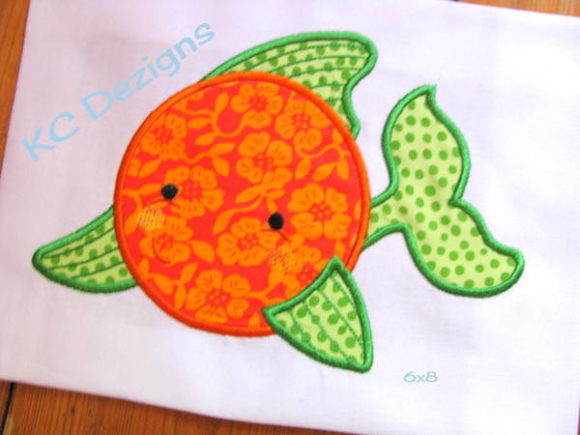
Cute Fish Applique: A Designer's Review for Craft Fair Products
From my booth at a bustling weekend market, I am always evaluating which embroidery designs will translate into sellable, standout handmade products. Today, I’m looking at the Cute Fish 01 machine embroidery design, imagining it stitched out onto items for my next craft fair. The immediate impression from the title is clear: this is a playful, sweet design aimed at a younger audience or for anyone who loves a touch of whimsy.
The First Impression & Target Market
Cute Fish 01 leans heavily into the "cute" aesthetic. It’s not minimal or rustic; it’s decorative and soft, evoking a sense of childlike charm. This is a strength. In a crowded handmade market, designs that trigger an emotional response—like a smile—often catch a customer’s eye faster than more abstract patterns. The description notes it’s “perfect for the little ones,” which instantly directs us toward products for children or gifts from grandparents. However, don’t limit yourself. This kind of cheerful, approachable design also appeals to adults looking for a fun accent on everyday items.
Product Performance: Where This Fish Will Swim
The real test is how a digital embroidery file performs on actual products. For Cute Fish 01, I consider its application across typical craft fair inventory.
Strong Candidates for Maximum Appeal
- Children’s & Baby Items: This is the prime territory. Small fabric pouches for crayons or treasures, personalized pillow covers for a toddler’s bed, or appliquéd onto the corner of a soft blanket would be instantly adorable. The “cute” factor is the entire product value here.
- Kitchen Towels & Aprons: A single, well-placed Cute Fish 01 on a tea towel or the pocket of an apron transforms a utilitarian item into a gift. It feels homemade and thoughtful, perfect for a boutique maker’s stall.
- Tote Bags & Market Bags: For a lighter touch, stitching this design as an accent on a canvas tote bag works well. It should be sized appropriately—not too small to lose detail, not too large to overwhelm the bag’s structure. It creates a conversation piece and elevates a simple tote bag design.
- Embroidered Patches: This design could be excellent as a standalone patch. Patches are hot sellers, and a cute fish patch could be applied to backpacks, jeans, or caps by the end user. This adds versatility to your product line.
Considerations for Specific Applications
- Caps & Curved Surfaces: Applique on curved surfaces like caps can be tricky. The design’s overall shape and stitch density must be managed with the right stabilizer to prevent puckering. Test this thoroughly on a scrap cap before committing to batch production.
- Dark Fabric: If using darker fabrics like navy canvas or black twill, the thread color choice becomes critical. You need high contrast to maintain the design’s cheerful clarity. A light-colored applique fabric paired with bright thread details would be essential.
- Photography for Online Sales: For your Etsy listings or printable mockups, this design should photograph beautifully. Its likely simple shapes and colors will look crisp and engaging, which is vital for converting online views into sales for digital sellers and small shop products.
Practical Production & Selling Points
Turning a digital embroidery file into a stack of finished products for your booth requires a practical eye.
Batch Production & Clarity
Cute Fish 01, based on its described style, likely has clean, defined areas suitable for applique. This suggests it could be very repeatable for batch production. Designs with too many tiny, dense details slow down production and increase thread consumption. A cleaner applique design is more efficient. However, a crucial note: always stitch the design out on scrap fabric first. Check for any overly dense stitch areas that might cause fabric distortion, especially on textured towels or thinner materials like pouches.
Hoop size is a fundamental question. Without knowing the exact size from the file, you must confirm it before planning products. A design too large for a small item’s available space will force a redesign of your entire product layout. Conversely, a very small design might lose impact on a large pillow cover. Match the design’s intrinsic scale to the product: small accent for a tea towel, larger focal point for a child’s pillow.
Booth Display & Customer Engagement
In your craft fair booth, products featuring this design need to tell a story. Group them. Display a set of fish-themed tea towels together. Hang a tote bag with the embroidery prominently facing the aisle. Place a few patches in a visible basket. This creates a themed “collection” that boosts booth display strength and helps customers instantly understand the application. The handmade quality shines when the stitching is neat and the applique fabric complements the base material—this elevates perceived value.
For buyer engagement, this design is an easy talker. It’s not abstract; people will immediately say, “Oh, a cute fish!” That opens the door for you to explain the process, the materials, and the other items you have. It supports brand consistency if your brand is about playful, quality crafts.
A Designer’s Final Checklist Before Selling
Before I commit to using Cute Fish 01 for my commercial embroidery products, I run through this final list. It’s what separates a successful craft fair product from a disappointing one.
- Test on Actual Scrap Fabric: Use the exact fabric you plan to sell (cotton canvas for totes, terry for towels, etc.). Check thread contrast and tension.
- Review Spacing & Density: Look for any sections where stitches are so close they might weaken the fabric or cause a stiff, uncomfortable finish on wearables like caps.
- Create a Real Mockup: Don’t rely solely on digital mockups. Stitch one complete, finished product—a towel or pouch—to see it as a customer would.
- Compare Fabric Colors: Try the design on at least three different base colors (white, light grey, a pastel) to see which combination sells the “cute” mood best.
- Confirm Commercial Use: The description provided does not specify license terms. It is imperative to verify that the machine embroidery design file you purchased or downloaded comes with a license that allows you to sell the finished handmade products. Never assume.
- Plan Your Stabilizer Strategy: Different products demand different stabilizers. A cut-away for a durable tote bag, a tear-away for a delicate tea towel. This affects the final look and durability.
In conclusion, Cute Fish 01 presents a solid opportunity for craft fair sellers and creative entrepreneurs. Its clear theme and emotional appeal make it a quick-read design for customers browsing your stall. Its likely applique construction suggests good production efficiency. By strategically placing it on products where its cute charm aligns perfectly—children’s items, kitchen gifts, accent patches—you can create a cohesive, attractive product line that stands out in the handmade market and turns a digital embroidery file into tangible sales.