A Closer Look at the Squirrel Simplistic Lines Design
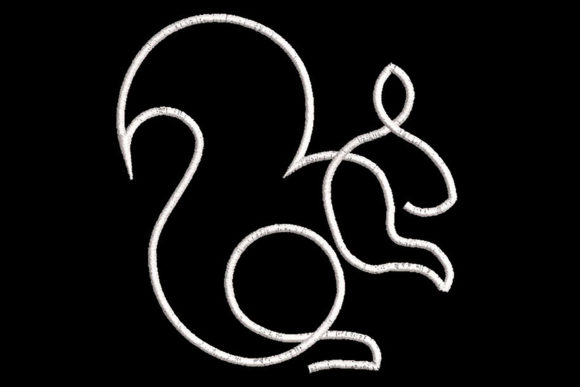
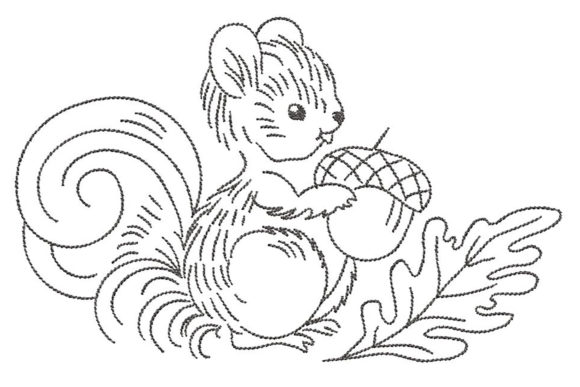
When you spend your days reviewing embroidery files for real-world projects, you develop a gut feeling for a design before you even load it into your machine. The first impression of Squirrel Simplistic Lines is exactly what its name promises: a sweet, uncomplicated woodland creature rendered in a friendly, linear style. It’s not overly cute or cartoonish; it has a gentle, almost sketch-like personality that feels modern and timeless at the same time. This visual mood is its greatest strength—it’s approachable and versatile.
The Practical Charm of a Single-Color Design
Let’s talk about that “one color” specification. In a world of complex multi-color fills, a design like this is a breath of fresh air for practical execution. The absence of fill stitches means you can think about thread choice as a pure design decision, not a logistical puzzle. You’re free to match your thread to the fabric or the product’s purpose—a deep brown for a rustic look on a tea towel, a soft gray for a minimalist baby blanket, or even a vibrant color for a playful tote bag. This simplicity translates directly into speed and reliability, especially for small business owners running multiple items or crafters working on a batch of personalized gifts.
Where This Squirrel Finds Its Home: Real Project Scenarios
I immediately picture this design on a natural canvas tote bag. It’s the kind of project a customer at a craft fair would pick up, smile at, and buy without hesitation—it feels handmade but polished. The two provided hoop sizes, for 4" x 4" and 5" x 7", offer excellent flexibility. The smaller size is perfect for the corner of a linen apron or a delicate pillow cover. The larger version has enough presence to be the central feature on a cotton sweatshirt or a child’s hoodie.
For baby items and nursery decor, this design is a quiet winner. Its simple lines are safe from being overly busy, making it ideal for a knitted blanket or a burp cloth. As a professional embroiderer preparing a client gift, I’d confidently stitch it onto a high-quality kitchen towel for a wedding present, knowing the clean lines will look elegant and endure washes. For an Etsy seller creating a series of woodland animal patches, this squirrel fits the theme perfectly—its low stitch density means the patch will be flexible and easy to apply.
Considering the Stitching Surface: A Designer’s Notes
While Squirrel Simplistic Lines is forgiving, its success depends on matching it to the right fabric and application. On very textured fabrics like some sweaters or thick blankets, the simplistic lines might lose clarity if the stitch density is too low. It’s always wise to test on a scrap first. On thin or stretchy fabrics, you’ll need to be meticulous with your stabilizer choice to prevent puckering or distortion of those clean lines.
Dark fabric backgrounds require special consideration for thread color contrast. A light thread on a dark garment will make the design pop beautifully, but you must ensure your machine embroidery settings are tuned to prevent any thread showing through from gaps in the stitching. Similarly, on curved surfaces like caps, the larger 5"x7" size might be challenging; the 4"x4" is a safer bet for such applications. The design lacks tiny, intricate corners, which is a benefit—it’s robust and unlikely to have detail loss in production.
How Simplicity Impacts Your Business and Craft
From a commercial embroidery perspective, this design is a reliable asset. Its ease of execution reduces machine time and thread consumption, which matters for cost-conscious apparel decorators. For digital product sellers offering the file itself, it’s an attractive option for beginners, clearly marketed as a very easy project. That honesty builds customer trust.
The handmade presentation of a finished product with this design is clean and professional. It doesn’t look amateurish or overcrowded, which reinforces brand consistency for a small shop focusing on minimalist aesthetics. As a gift, it feels thoughtful but not fussy—high giftability. For customer engagement in an Etsy listing or a printable mockup, the design’s clear shape and single-color nature make it easy to visualize on different products, increasing buyer confidence.
Essential Pre-Stitch Checks for a Professional Result
Before you commit this squirrel to a client’s sweatshirt or a batch of boutique products, run through these practical steps. Always test the embroidery file on a scrap of your intended fabric. This is not just about checking stitch registration; it’s about seeing how the thread color interacts with the material in real light. Does your chosen brown look rich, or does it fade?
Review the stitch density on your test piece. Low density is great for speed, but on some fabrics, it might feel sparse. Adjust your stabilizer accordingly. Confirm the hoop size choice physically—sometimes a design feels bigger or smaller than you imagined once hooped. Inspect the design in a black and white mockup to truly understand its form without color distraction. This helps judge its visual weight.
Finally, a crucial note for all makers: always confirm the licensing terms of the digital embroidery file before selling finished items or commercial products. The product description provided doesn’t specify these terms, so that verification step is your responsibility. Understanding whether you can use it for personal projects, commercial goods, or as part of your own digital product line is fundamental to operating your craft business ethically and legally.
In summary, Squirrel Simplistic Lines is a thoughtfully simple design that excels when applied with intention. Its value isn’t in complexity, but in its adaptable, charming clarity. It’s a tool that, when used on the right project with proper preparation, yields a finished product that customers will love and makers will enjoy creating. That’s the mark of a good embroidery design.