A Real Designer's Review of the Sweet Goat Embroidery Design
The First Impression: Where This Design Belongs
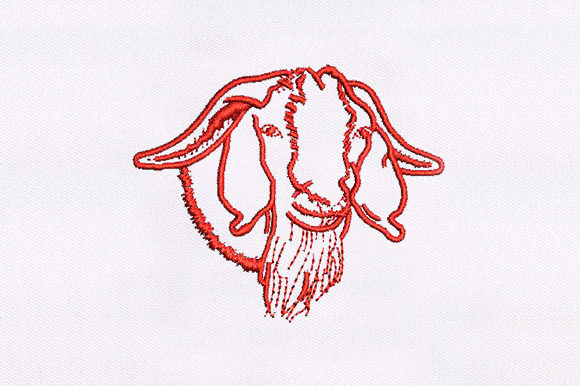
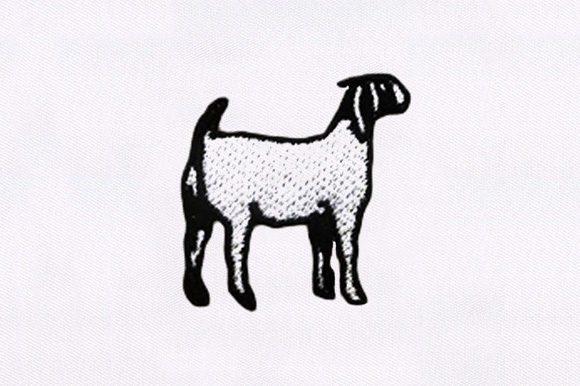
When you first open the Sweet Goat embroidery file, the mood is immediately clear. It’s charming, lighthearted, and undeniably cute. This isn’t a realistic livestock portrait; it’s a character. The layout feels balanced, with a friendly posture and enough detail to be interesting without being overly complex. The visual personality leans towards whimsical farm life or gentle nursery themes. This tells me, as a designer preparing for client work, that this design naturally belongs on products meant to evoke warmth and sweetness. Think personalized gifts, boutique baby items, or cheerful kitchen linens for a small shop.
Performance in Real Projects: From Totes to Tees
I envision using the Sweet Goat on a custom embroidered tote bag for a farmer's market vendor or a cozy sweatshirt for a baby’s first birthday. The design’s size and detail level suggest it would stitch out cleanly on mid-weight fabrics like cotton twill or fleece. On a tote, it becomes a standout feature. On a baby blanket or pillow cover, it creates a soft, decorative focal point perfect for nursery decor. For an Etsy seller creating holiday gifts, this goat could be the centerpiece of a unique, handmade Christmas stocking or a spring-themed apron. The key is matching its friendly aesthetic to products where that personality enhances the finished product.
For apparel decorators considering t-shirts or caps, the design’s likely stitch density needs consideration. On a stretchy t-shirt or the curved surface of a cap, using the correct stabilizer is paramount to prevent puckering and maintain the design’s clean shape. On a dark fabric, you’ll want to review thread color contrast carefully—bright whites and clear pastils might pop beautifully, but you should always test on scrap fabric first.
Where to Exercise Caution
While versatile, there are situations where I’d use the Sweet Goat carefully. If the design has particularly small details or tiny accents, very small hoop sizes might compromise stitching clarity. Similarly, on highly textured fabrics like thick sweaters or on items needing frequent washing, such as kitchen towels, the longevity of the embroidery depends on your technique. Dense stitch areas, if present, could feel stiff on thin fabrics. The goal is to preserve that sweet visual appeal without sacrificing comfort or durability for the end user.
Impact on Your Business and Customer Appeal
From a commercial perspective, a well-executed Sweet Goat embroidery adds tangible value. On a handmade product, it elevates the presentation, suggesting care and artistry. For a small business owner, consistent use of such a pleasant design can build brand recognition—customers start to associate that friendly goat with your shop’s quality. Its giftability is high; it feels personal and thoughtful. This directly affects buyer engagement in an Etsy listing or at a craft fair. A clean, crisp stitch out fosters customer trust in your professionalism.
However, this relies entirely on your execution. A blurred satin stitch or misaligned fill stitch undermines that trust. Therefore, this machine embroidery design is a fantastic asset, but it’s an asset that demands your skill to realize its full potential in commercial embroidery projects.
Practical Notes Before You Stitch
Before hooping your client’s premium sweatshirt or your batch of boutique tea towels, do the groundwork. Always test the Sweet Goat on a scrap of your intended fabric. Check how the stitch types—whether satin stitch, fill stitch, or running stitch—interact with the fabric texture. Inspect any small details in the actual stitch out. I also recommend testing it in digital black and white mockups to see how it reads without color, and comparing how it looks on both light and dark fabric backgrounds in your software preview.
This design comes in a wide array of embroidery file formats including ART, DST, EXP, HUS, JEF, PES, and others. This format flexibility is excellent for working with different machines. You must confirm the specific hoop size needed and the exact stitch count by previewing the file in your software, as these details are not provided upfront. Furthermore, always confirm the licensing terms before selling finished items or using the design as a digital product asset in your shop. Knowing whether it’s cleared for commercial use is a fundamental step for any creative entrepreneur or digital product seller.
The Final Verdict for Makers
The Sweet Goat embroidery design is a charming, versatile tool in your arsenal. It fits seamlessly into the Farm Animals category but transcends it by offering a mood. For crafters and makers, it opens doors to personalized gifts and small shop merchandise that feels special. For the professional embroiderer, it’s a reliable design that, with proper technique, will produce a high-quality, engaging finished product. Its success lies in pairing its sweet personality with the right project—a baby item, a cheerful tote bag, a decorative pillow—and executing it with the care that your customers, and this delightful goat, deserve.