Bonfire Embroidery: A Designer's Review for Craft Fair Success
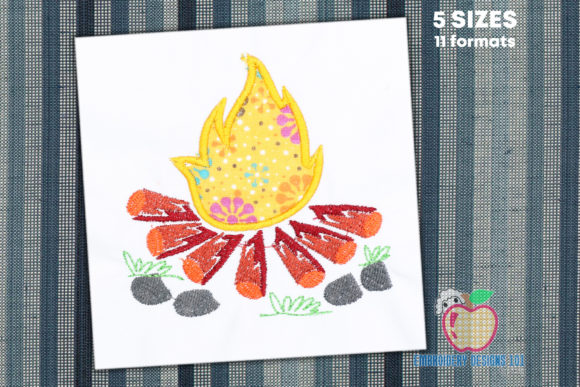
As I prepare my products for the weekend craft fair, I’m looking at every design with a critical eye. Which one will catch a customer’s glance from across the aisle? Which one will feel worth the price when held in hand? Today, I’m reviewing the Bonfire machine embroidery design. This is a design pitched for campers, scouts, and outdoor enthusiasts. My job is to figure out how to turn this digital embroidery file into profitable, beautiful handmade products.
First Impression: Rustic, Bold, and Instantly Recognizable
The title Bonfire sets a clear mood. This isn't a cute or minimal design. It’s rustic, bold, and nostalgic. That’s a powerful starting point. In a booth crowded with products, designs that evoke a specific feeling or memory have a strong advantage. Bonfire speaks directly to a shared experience—nights around a campfire—which creates an immediate emotional connection. That connection is the first step to a sale.
Where Bonfire Shines on the Craft Fair Table
Let’s visualize the display: tote bags, aprons, tea towels, caps, patches, and pillow covers. Bonfire needs to be placed where its theme makes sense and its visual impact is maximized.
- Tote Bags & Market Bags: A larger application here makes sense. The bold, rustic nature of the design translates well to a bag’s surface, suggesting durability and adventure. It becomes a statement piece.
- Aprons & Kitchen Towels: While camping-themed, don’t underestimate the "cabin" or "farmhouse" kitchen appeal. A Bonfire embroidered tea towel could sell as a decorative item for a rustic kitchen, not just for actual camping.
- Caps: The description specifically mentions caps. On a curved surface, the design needs to be tested. It must be sized correctly so elements don’t get lost on the crown’s curve.
- Embroidered Patches: This is a fantastic application. Patches are giftable, affordable, and perfect for scouts or campers to customize their gear. A Bonfire patch is a low-cost, high-appeal item that can drive quick sales.
- Pillow Covers & Small Pouches: As a decorative home accent or a pouch for camping essentials, these items elevate the design from apparel to lifestyle product.
Practical Production: Making Bonfire Sellable
Turning a design into a batch of craft fair products requires practical thinking. Here’s my evaluation for production.
Design Scale & Clarity
I need to determine if Bonfire works as a small accent or a large focal point. Based on its described boldness, it likely thrives as a central, larger design on items like tote bags or pillow covers. However, I must test it at smaller sizes for caps or patches. Tiny details or small lettering, if present, could lose clarity and become a production headache. My first step is always to stitch it out on scrap fabric at various sizes.
Stitch Density & Fabric Compatibility
Rustic, bold designs often involve dense stitch areas. High stitch density can be challenging on textured towels or thick fabrics like canvas. It may require specific stabilizer strategies. On dark fabrics, thread color contrast is paramount—the bonfire needs to glow, not disappear. I’ll test on both light and dark scraps to choose the best product applications.
Photography & Online Appeal
For my Etsy listings or printable mockups, Bonfire needs to photograph well. Bold designs with good contrast usually do, but I’ll create at least one real physical mockup to photograph, not just rely on digital previews. The texture of the stitches should show, emphasizing the handmade quality that increases perceived value.
Batch Production & Consistency
Is this design repeatable? Can I efficiently produce twenty tote bags with it? If the design is clean and not overly complex with countless thread color changes, it’s suitable for batch production. This consistency is key for brand perception and meeting craft fair demand.
The Selling Power: Customer Attention & Product Value
At the fair, a customer’s journey with Bonfire is crucial. They’ll see it from a distance. Its recognizable theme acts as a filter, drawing in camping enthusiasts. Upon closer inspection, the quality of the embroidery—clean stitches, no puckering, strong contrast—converts that interest into a perception of value. A well-executed Bonfire on a premium tote bag feels like a durable, authentic product, not just a decoration. It tells a story they want to own.
For buyer engagement, it’s a conversation starter. I can ask, “Do you camp?” or “Is this for a scout troop?” This personal interaction, fueled by the design’s clear theme, often seals the deal.
Essential Designer Checklist Before Production
Before I commit Bonfire to any product, here is my personal checklist. I advise every embroidery business owner and small shop product maker to do the same.
- Stitch a Test Sample: Always test the design on a scrap of the actual fabric you plan to use (canvas, denim, towel fabric).
- Check Thread Contrast: Review the design’s suggested thread colors against your planned fabric colors, especially for dark backgrounds.
- Review Spacing & Hoop Size: Confirm the design’s dimensions fit your intended hoop size for production. Ensure elements aren’t too close to edges where they might be compromised.
- Inspect Stitch Density: Look for areas that might be too dense for your chosen fabric; adjust stabilizer use accordingly.
- Create a Real Mockup: Make one finished product, like a tote bag or patch, to assess the final look, feel, and photographability.
- Confirm Licensing: Ensure your commercial embroidery use is covered by the license of the digital embroidery file before selling any finished products.
Final Judgment: A Strong Contender for the Outdoor Niche
Bonfire has the core qualities that make a craft fair product succeed: clear theme, emotional pull, and bold visuals. Its best chances lie on products where its rustic character is fully expressed—think statement tote bags and nostalgic patches. The production considerations are standard but vital: test for scale and fabric compatibility. For Etsy sellers and boutique makers targeting the camping, outdoor, or rustic décor niches, this design is a solid asset. In a booth display, a well-made Bonfire embroidered item won’t just sit quietly; it will call out to a specific customer and, with careful execution, convince them it’s worth bringing home.