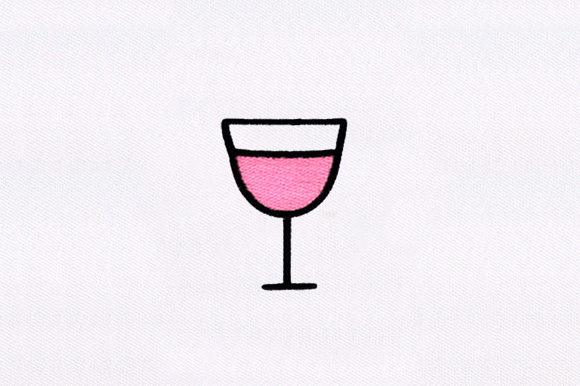
Embroidering Your Perfect Wine Glass Gift: A Designer's Review
As I sit down to test the Wine Glass embroidery design, I imagine my most frequent request: a personalized, meaningful gift for a special occasion. Whether it's for a kitchen towel for a newlywed, a pillow cover for a wine-loving friend, or a custom tote bag for a baby shower, the quality of the finished product hinges on the design itself. This review is my practical walkthrough, imagining every step from the digital file to the final embroidered keepsake.
First Stitch: The Charm and Mood of Wine Glass
The initial impression of this machine embroidery design is classic and elegant, with a touch of warmth. It doesn't scream trendy; it whispers a lasting sentiment. The detail level suggests a focus on clean lines and recognizable form, which is crucial for a handmade product. It feels like a design that would attract customers looking for a sophisticated yet heartfelt touch—not playful or seasonal, but a timeless addition to a home or a personal item. This emotional appeal is its greatest strength for personalized gifts.
Where This Design Finds Its Home
This is not just a design; it's a versatile tool for your shop. Let’s plan its applications.
- Baby Embroidery & Nursery Items: Imagine this on a cozy blanket corner or a delicate pillow cover, paired with a name or date. It becomes a family keepsake from a wine-loving parent.
- Wedding Gifts & Keepsakes: Embroidered on a high-quality apron or a set of kitchen towels for the new couple’s home. It speaks to shared moments and a welcoming home.
- Home Decor & Personal Use: A tote bag for market trips, a pillow cover for a reading nook, or an elegant apron. It elevates everyday items.
- Small Shop Products: For craft fairs and Etsy listings, this design can be the consistent anchor for a line of custom embroidery products, from towels to blanket embroidery.
For digital product sellers, offering a printable mockup showing this design on various products (towel, pillow, bag) can significantly boost buyer engagement, letting them visualize the final product before ordering.
Practical Stitches: Where to Use with Care
Not every fabric or product is an ideal canvas. A professional’s job is to match the design to the material for a flawless finish.
- Small Lettering & Delicate Details: If the design incorporates any fine text or intricate stem details, they require careful testing on the final fabric type.
- Textured or Thick Fabrics: Think terry cloth towels or thick blanket fabric. Stitch density must be suitable, and the right stabilizer is non-negotiable.
- Stretch Fabrics & Curved Surfaces: Using this on stretchy baby clothes or a curved bag pocket demands extra stabilization to prevent distortion.
- Dark Fabric Backgrounds: The choice of thread colors becomes paramount for visibility and contrast. A light or mid-tone thread palette might be essential.
- High-Wash Items: For an embroidered towel or apron that will face frequent washing, the stitch integrity and thread quality must withstand the wear.
The Giftability Factor: How Wine Glass Enhances Value
When a customer receives an item embroidered with this design, several things happen. The perceived value increases because the decoration is intentional and artful, not just a generic print. It builds customer trust in your handmade quality. There’s an immediate emotional connection—it’s specific and symbolic. For product photography, a clean, well-embroidered Wine Glass on a beautiful product tells a story of care, which is exactly what buyers for baby embroidery, wedding gifts, or family keepsakes are seeking.
The Designer's Checklist Before the First Real Order
Before I would ever run this for a paying customer, here is my essential process. I treat it as a dress rehearsal for the final performance.
- Test on Scrap Fabric: Always. Use the exact fabric (or close match) of the final product—whether it’s a towel, baby knit, or bag canvas.
- Check Thread Color Contrast: Run a small section with your planned thread on both light and dark fabric mockups to ensure it pops.
- Confirm Hoop Size: Based on the design dimensions provided in the file. Ensure it fits your target product area comfortably.
- Review Stitch Density: Observe the stitching on your test piece. Is it too dense for delicate fabrics? Too sparse for thick materials?
- Use Proper Stabilizer: Match the stabilizer to the fabric weight and texture. This is often the secret to a professional finish.
- Check Small Details After Stitching: Inspect every element once stitched. Are any areas too fine or prone to thread breaks?
- Confirm Commercial Licensing: If you are selling finished products from this digital embroidery file, you must verify your right to do so. The provided formats—10O, ART, CND, DSB, DST, DSZ, EXP, HUS, JEF, PCS, PEC, PES, TAP, VIP, VP3, XXX—offer wide machine compatibility, but the license terms are separate and critical.
A Final Note for Your Creative Business
The Wine Glass design, from a practical standpoint, is a reliable and charming asset. Its success lies in your application. By carefully selecting the right products, pairing it with thoughtful personalization like names or dates, and executing the technical embroidery steps with diligence, you transform a digital file into a treasured physical object. For the crafters, Etsy sellers, and small business owners reading this, that transformation is your art. This design provides a strong, elegant foundation upon which to build your personalized gift offerings, inviting your customers to celebrate life’s sweet moments, one perfectly placed stitch at a time.