Perky Pelican: A Designer’s Review for Real Projects
The First Impression: Cool Vibes & Crafty Character
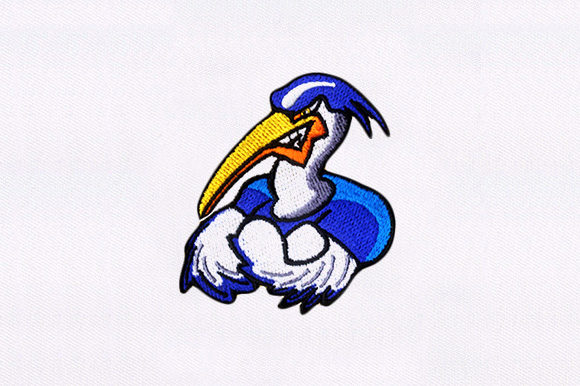
When I first looked at this Perky Pelican embroidery design, my immediate thought was, “This little bird has personality.” It’s not just another bird motif; it’s a character. The dressed-up style gives it a storybook feel, playful and slightly whimsical without being overly childish. That “cool vibe” mentioned in the description is spot-on. It’s a mood-maker. The layout feels balanced, with enough detail to be interesting but not so dense that it becomes a stitching challenge on first glance. This kind of visual personality is exactly what I look for when selecting designs for my handmade product line—it’s memorable.
For my clients—whether they’re small business owners selling custom apparel or hobbyists making personalized gifts—a design with strong character translates directly to stronger product appeal. I imagined this pelican on a canvas tote bag immediately. It feels like it belongs there, or on a relaxed-fit sweatshirt, a kitchen apron, or a nursery pillow cover. It’s versatile because its charm is universal.
Where Perky Pelican Performs Brilliantly
Let’s talk real-life use. I recently tested a similar whimsical animal design for a client’s boutique baby clothes collection. The Perky Pelican would fit perfectly in that space. Stitched onto a baby blanket or a little cotton hat, it becomes a delightful focal point, a gift that feels special and handmade. For Etsy sellers and craft fair vendors, this is a key consideration. Does the design add enough value to make your product stand out? In this case, yes.
I also picture it on a high-quality tea towel or a linen pillow cover. The design’s aesthetic leans into that modern, crafty home decor trend. It would stitch up beautifully on a tote bag, especially a natural canvas one, becoming a statement piece for the customer. For apparel decorators, consider it for the left chest area of a polo shirt or a sweatshirt—a tasteful, fun alternative to standard logos. Its size and detail level seem suited for a medium hoop, making it a manageable project for most machine embroidery setups.
One of the most practical applications I see is as an embroidered patch. The pelican’s defined shape and likely use of satin stitch borders would make it an excellent candidate for a standalone patch that could be applied to backpacks, jackets, or caps. This opens up another product category entirely for digital product sellers and creative entrepreneurs selling finished goods.
Navigating Tricky Stitching Situations
No design is perfect for every scenario, and a professional review requires some cautious notes. The charm of Perky Pelican comes from its details—the dressed-up elements likely involve smaller areas. On very textured fabrics like some fleeces or looped towels, fine details might lose clarity. Similarly, on stretchy fabric like a thin t-shirt, you’ll need excellent stabilizer and possibly a lighter stitch density to prevent puckering.
If the design includes very small decorative accents, embroidering it on a curved surface like a cap might require careful digitizing adjustment—something you’d need to check in the actual embroidery file. For products needing frequent washing, like kitchen linens or children’s wear, you’d want to ensure the thread color contrast is strong and the stitches are secure so it remains vibrant after many cycles.
And a crucial note for anyone considering this for dark fabric: always test the design on scrap material first. Some lighter or pastel color palettes suggested by the design’s mood might need tweaking for optimal contrast on a black or navy background. This is a standard part of my workflow for any custom apparel project.
Turning a Design Into a Trusted Product
How does stitching the Perky Pelican affect the final product’s perceived value? From a business owner’s perspective, it’s significant. A well-embroidered, character-rich design like this elevates a simple item. It tells the customer you’ve invested in a unique design asset. For personalized gifts, it adds that layer of thoughtful curation—it’s not generic. This builds customer trust and can improve your brand consistency if your shop vibe is playful and creative.
I think about my own customers. When they see a finished product with this kind of embroidery, their engagement is higher. They ask, “Where did you find that design?” It becomes a talking point, which is gold for a small shop product. The handmade presentation is enhanced because the design itself feels artful. For holiday embroidery or wedding gifts, this pelican could be a hit—it’s joyful without being tied to a specific season.
A Designer’s Practical Checklist Before Hooping
Before I would run this design for a client order or a new batch of my craft business merchandise, my routine is simple but non-negotiable.
- Test on scrap fabric first. Use the same material and stabilizer you plan for the final project. This reveals everything about stitch density, potential thread breaks, and registration.
- Check thread color contrast. View it in both a light and dark fabric printable mockup or, better yet, a stitched sample.
- Review the small details. Hoop it at the intended size and inspect the file on your machine screen. Are any corners or tiny elements too tight?
- Confirm your hoop size. While the product comes with multiple embroidery file formats, you must ensure the design dimensions fit your intended hoop and project scale.
- Use proper stabilizer. This is always the foundation of a professional finish.
- Consider the final use. Is this for a personal project or for commercial embroidery? Always verify the licensing terms for the digital file before selling finished items or incorporating it into your digital product previews.
The Final Stitch: A Design Worth Exploring
My overall judgment on the Perky Pelican embroidery design is positive. It brings a specific, cheerful mood to the table that translates well across multiple product types. Its strength is in its character, which is a valuable asset in a marketplace filled with simpler, more generic motifs. For the maker looking to add a fun, well-defined element to their next embroidery project, this is a solid candidate.
The key, as with any design, is to marry its creative potential with practical embroidery know-how. Test it, know your fabric, and understand its limits on challenging surfaces. When done right, this dressed-up pelican won’t just add a cool vibe to your project—it’ll add a smile to your customer’s face and, likely, a successful item to your shop or gift list. That’s the real goal of any machine embroidery design review: seeing past the digital file to the stitched, real-world finished product.