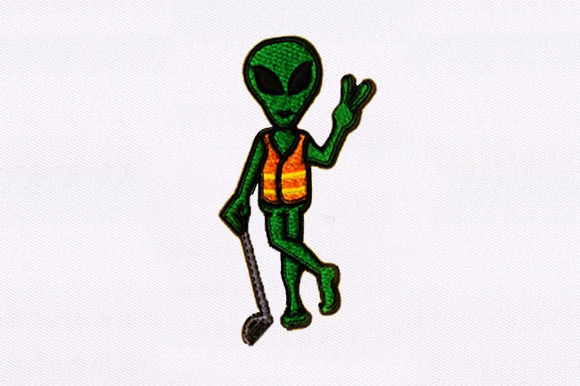
Testing the Golf Playing Alien Embroidery Design for Real Projects
When browsing for new designs to freshen up my product line, I come across a lot of novelty files. The key question is always: will this design hold up in a real project, or is it just a fun digital file? I recently tested the Golf Playing Alien Design from Creative Fabrica, considering it for several upcoming custom orders, and here’s my honest evaluation from a practical embroidery perspective.
First Impressions: A Design with Personality
The moment you open this file, its playful mood is clear. It’s not just a generic robot or alien; the golf theme adds a specific, charming character. This isn't a highly realistic, dense illustration—it has a more graphic, almost cartoon-like personality. That makes it instantly suitable for decorative projects where you want a lighthearted, engaging visual. The detail level appears balanced: enough elements to be interesting, but without overwhelmingly tiny details that might vanish on textured fabric. My first thought was that this would naturally fit on items like tote bags, kids’ sweatshirts, aprons, or as a standout feature on a pillow cover for a themed room.
Where This Design Excels in Commercial & Handmade Use
For small business owners and Etsy sellers, the application range is quite broad. The whimsical theme gives it strong giftability. I imagined it on a father-son golf outing sweatshirt, a novelty kitchen towel for a golf enthusiast, or even as a small embroidered patch on a cap. Its visual appeal is niche but strong—it speaks directly to a hobby, which can create immediate customer engagement. For product photography and printable mockups, a design with clear, recognizable elements like this helps listings stand out.
Thinking about brand consistency, if you run a shop with a fun, quirky aesthetic—say, for boutique baby items with a space theme or novelty adult apparel—this file could be a perfect addition. It adds variety without straying from a cohesive visual style.
Practical Performance on Fabrics & Products
This is where an embroidery designer’s review gets critical. Based on the file preview, here are my considerations for real embroidery work.
Stitch Density & Fabric Compatibility
The design seems to use a mix of satin stitch for outlines and likely fill stitches for larger areas. Without knowing the exact stitch count from the product page, I advise checking that before hooping. For stretchy fabric like sweatshirts or on curved cap surfaces, a design with moderate, not overly dense, stitching is ideal to prevent puckering. I’d recommend a sturdy cut-away stabilizer for knits and testing on a scrap piece first.
For dark fabric, the color palette shown in the preview will be key. You’ll need good thread color contrast—bright greens, whites, or silvers—to make the alien and golf elements pop. On baby items or kitchen towels (which face frequent washing), you want a design that stitches cleanly without too many fragile, single-thread details that might wear quickly.
Small Details & Hoop Size Considerations
The golf club, the alien’s facial features, and any tiny lettering (if present) are areas to inspect after your first test stitch. On a tote bag or apron, these details should hold up well. For a very small application, like on a child’s t-shirt or a tiny patch, you need to confirm the minimum viable hoop size from the product details. A design this character-driven needs its main elements clearly visible, so shrinking it too much could lose the charm.
Increasing Product Value with a Niche Design
Using a unique design like the Golf Playing Alien can directly affect product value and buyer trust. It shows you’re offering something beyond generic stock art. For a handmade presentation, a well-embroidered, thematic design feels personalized and thoughtful. It turns a simple baby blanket into a memorable nursery decor piece, or a standard cap into a conversation-starting accessory.
For commercial embroidery projects, such as a batch of polo shirts for a golf tournament with a fun theme, this file offers a ready-made, professional solution. The provided embroidery file formats—including PES, JEF, DST, VIP and others—cover most major machine brands, which is crucial for professional use. Always confirm the specific format you need matches the list on the Creative Fabrica product page before downloading.
Essential Steps Before Selling Any Finished Item
My final advice mirrors my own workflow before committing any design to a customer order.
- Test on Scrap Fabric: Always run a test on the exact fabric type you plan to use—a cotton towel, a polyester cap, a canvas tote. This reveals any issues with stitch density or small details.
- Compare Light and Dark Fabric Mockups: Visualize how it will look on both backgrounds. Sometimes a design needs a slight thread color adjustment.
- Inspect Small Details After Stitching: Look closely at the golf ball, the alien's hands, or any equipment lines. Are they clear and intact?
- Confirm File Details & Licensing: This is paramount. Review the Creative Fabrica product page thoroughly for the exact hoop size information, stitch count if provided, and the licensing terms regarding selling finished products. Never assume; always confirm.
Is the Golf Playing Alien Design Worth Using?
From my evaluation, this machine embroidery design is a strong candidate for specific, playful projects. It’s not a universal everyday file, but its unique theme is its strength. If your customer base includes golf fans, sci-fi lovers, or you simply want to add a whimsical option to your shop, it’s worth downloading. Its performance on common items like bags, apparel, and home decor should be reliable if you follow good embroidery practices: proper stabilizer, thoughtful thread choices, and a careful test stitch. It’s a digital embroidery file with clear decorative appeal that can enhance your handmade product lineup with a touch of personality.