Turtle and a Bird Embroidery: A Designer's Review for Real Projects
A First Look: Coastal Charm with Quiet Character
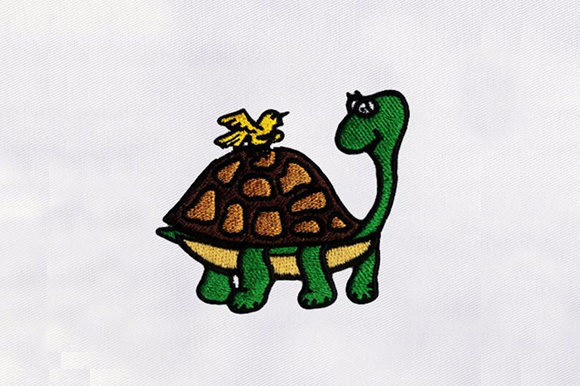
When I open a new embroidery file for review, my first question is always about its character. What mood does it create on a piece of fabric? The Turtle and a Bird Design immediately presents a serene, gentle coastal vibe. It’s not a loud, splashy beach scene, but a quiet, almost contemplative pairing. The layout feels balanced, with a natural sense of companionship between the two creatures. For me, this suggests it’s less about a bold statement and more about a subtle, thoughtful accent. The detail level appears moderate—enough to define the turtle's shell and the bird’s form without overly dense stitching that might overwhelm lighter fabrics. This visual personality lands it squarely in the realm of heartfelt gifts, boutique nursery items, and relaxed apparel.
Where This Design Finds Its Perfect Home
In my studio, I think through applications based on a design’s feeling. This one whispers personalized gift and casual decor. I envision it stitched onto a linen pillow cover for a beach-house guest room, or as a single, sweet motif on a child’s cotton tote bag for library trips. It would be a beautiful, understated addition to a set of kitchen towels in a coastal-themed kitchen. For small business merchandise, this design could anchor a line of handmade baby items—think a simple, elegant emblem on a organic cotton swaddle or a muslin burp cloth. Its calm aesthetic would work beautifully for wedding gifts for couples who love the shore, perhaps embroidered on the corner of a blanket.
For apparel, it feels perfect for a left-chest placement on a relaxed-fit sweatshirt or a lightweight t-shirt. It’s not a full-back, centerpiece design, but a complementary accent. As an embroidered patch, it could be applied to a denim jacket or a canvas backpack, offering a touch of handmade personality without being overwhelming. For Etsy sellers or creative entrepreneurs, this embroidery file offers a versatile starting point for products that feel gentle and authentic.
Practical Performance on Real Fabrics and Products
Moving from idea to stitch is where the real judgment happens. I consider how this Turtle and a Bird Design would actually perform across common projects.
Success Stories: Totes, Towels, and Soft Goods
The design’s likely moderate stitch density and open areas would make it a reliable choice on stable fabrics. A canvas tote bag would be an ideal canvas, with the design holding crisp definition. On a tea towel or apron made from mid-weight cotton, it should stitch out cleanly, retaining its charm through use and washes. For baby clothes on soft cotton or jersey, provided a good stabilizer is used, it would add a lovely, safe decorative touch—no overly dense areas that could make the fabric stiff or uncomfortable. As a small decorative element on a pillow cover or a blanket corner, it would integrate seamlessly, enhancing the product’s value through a custom, handmade presentation.
Considerations for Tricky Applications
Any design requires careful thought for certain applications. Here, the smaller details—like the bird’s possible slender legs or the turtle’s finer shell lines—need attention. On stretchy fabric like a thin t-shirt without proper stabilization, those details might lose clarity. On very dark fabric, the color palette choice becomes critical; you’d need to test thread colors for contrast to ensure the friendly characters don’t fade into the background.
Embroidering on curved surfaces like caps requires checking the design’s size and layout; a too-wide design might not fit the cap’s front panel gracefully. For products destined for frequent washing, like kitchen linens or children’s items, reviewing the stitch density is key. Areas with very high density can be less durable under repeated abrasion. Always test on scrap fabric first, mimicking the final project’s fabric texture and color. This step is non-negotiable for professional results and customer trust.
The Business and Creative Impact
Beyond the stitch, a design affects your craft business’s feel and customer engagement.
Elevating Product Value and Customer Perception
Using a cohesive, charming design like this consistently across a product line—say, a beach-themed nursery set—builds brand consistency. It tells a story. On a finished product, this design’s clarity and pleasant theme enhance the perceived craftsmanship. A customer looking at an embroidered tote bag with this motif sees a thoughtful, complete handmade product, not just a generic graphic. That boosts giftability and recognition. For Etsy listings or printable mockups, a clean, well-stitched version of this design communicates professionalism, making the digital embroidery file itself a more trustworthy design asset.
Licensing and Commercial Use: A Vital Checkpoint
Before this embroidery file moves from your machine to a product for sale, you must confirm its licensing terms. The provided list of machine embroidery formats—including PES, JEF, DST, and others—indicates broad machine compatibility, which is excellent for production. However, the license for commercial use of the finished embroidered items is separate information. Always verify this before selling tote bags, sweatshirts, or any small shop merchandise. Assuming commercial use is allowed without checking is a risk to your business.
Final Designer Notes Before You Hoop It Up
My final advice for putting the Turtle and a Bird Design into action is practical and straightforward.
- Run a test stitch on a scrap of your target fabric. Inspect the small details for clarity.
- Check thread color contrast against both light and dark fabric backgrounds. Consider creating black and white mockups to see the form independently of color.
- Confirm the hoop size needed. Even without exact dimensions provided, stitching it out will tell you if it fits your project’s scale—a large design on a baby bib might dominate, a tiny one on a tote bag might disappear.
- Use the appropriate stabilizer for your fabric. This is the foundation of stitching clarity.
- Think about the end product’s life. Will it be washed often? Subject to sun? Choose your threads and fabrics accordingly to ensure longevity.
- Finally, let the design’s quiet coastal charm guide your project choices. It’s a design that rewards thoughtful application, resulting in finished products that feel special and sincerely made.