A Sail Boat Embroidery Design for Craft Fair Success
First Impression: Clean, Nautical, and Versatile
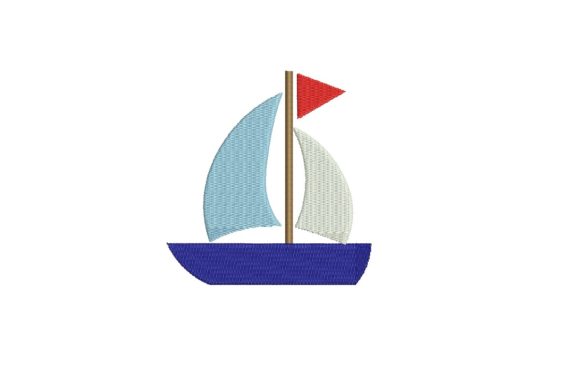
Opening the Sail Boat Design file, the first thing that strikes me is its clean, illustrative style. It feels neither overly rustic nor strictly modern—it occupies a pleasant middle ground of classic nautical appeal. The lines are clear, and the composition is balanced. This is a design that doesn't scream “pirate” in a cartoonish way, but rather suggests a gentle, maritime theme. This versatility is its biggest initial asset. It can feel decorative on a pillow, playful on a child’s item, or simply elegant as a standalone accent on a tea towel. For a craft fair booth, this broad appeal is golden; it can attract multiple customer types without looking niche.
Where This Design Will Stand Out on Your Sales Table
When planning my booth display, I mentally place this design on different products to visualize its impact. On a light-colored canvas tote bag, the Sail Boat Design would act as a beautiful focal point, elevating a simple bag into a giftable item. On an apron, positioned near the pocket or waist, it becomes a charming, personal touch that suggests a love for the kitchen or seaside hobbies. Its true power, I believe, lies on home decor items. A pillow cover with this design centered would be an instant seller—it’s universally understood, calming, and stylish without being trendy.
For smaller, lower-price-point items to drive quick sales, this design adapts wonderfully. A simple embroidered patch or a small fabric pouch with the sailboat would be perfect. Customers browsing a craft fair often look for these affordable, “just because” purchases. The sailboat is a friendly, positive image that encourages that impulse buy.
Products to Prioritize for Maximum Sales
- Tote Bags & Market Bags: The design’s scale works here. It’s large enough to be noticed from a distance across your booth.
- Pillow Covers: This is where the design feels premium and justifies a higher price point.
- Tea Towels & Kitchen Linens: A perfect fit. The nautical theme pairs naturally with these items.
- Embroidered Patches: Great for lower-cost, high-volume options, especially for a “Pirates” themed category.
- Caps: Requires careful testing due to the curved surface, but a well-placed sailboat on a cap can be a strong seller.
Practical Production: Making It Look Good and Making It Efficient
As an embroidery business owner, the description notes this machine embroidery design comes in many sizes and multiple file formats. This is crucial. Before any production, you must verify the exact hoop sizes available. A design that only works in a 4x4 hoop limits your product range. For batch production at a fair, efficiency is key. You want to be able to stitch this on a dozen tote bags without constant re-hooping or thread color changes.
Look carefully at the stitch density. Designs with large, solid filled areas (like a sail) can become very dense on thick fabrics like bag canvas. This uses more thread, takes longer, and can cause puckering if the stabilizer isn’t right. Always test on scrap fabric first—the same fabric you’ll use for the final product. Check the thread contrast. This sailboat likely needs good contrast against the fabric color to pop. On dark fabrics, you might need to use a very bright white or light blue for the hull and sails to maintain clarity.
Critical Pre-Production Checklist
- Test the design on a scrap of your actual product fabric (canvas, towel, pillow cotton).
- Check the smallest size if you plan for patches or pouches—do tiny details like ropes or flags become a blur?
- Review the provided embroidery file formats against your machine’s compatibility.
- Create at least one real physical mockup—how it looks in photos is different from how it feels in hand.
- Confirm the commercial licensing terms if you are selling the finished products.
Selling Power: Customer Attention and Perceived Value
At a bustling fair, designs need to be understood at a glance. A customer walking past your booth should immediately recognize the sailboat and connect it with a feeling or a need. This design excels there. It’s not abstract; it’s a familiar, pleasant symbol. This instant recognition translates to attention and, ultimately, engagement.
When photographed for online listings like Etsy, a clean design like this shines. It doesn’t get lost in texture. On a crisp white tea towel or a natural linen pillow, it photographs beautifully, conveying a sense of handmade quality. That perceived quality increases the product’s value. A tote bag with a generic print might sell for $15, but a well-embroidered, attractive sail boat design can justify a $25-$30 price point because the craftsmanship is visible.
For brand consistency, if your small shop focuses on coastal, nautical, or general home-good themes, this design is a strong, repeatable asset. You can use it across product lines, creating a cohesive look for your booth that builds trust with buyers.
Final Designer Notes: Making It Work for Your Weekend Fair
Your goal is to turn this digital embroidery file into profitable, tangible products. To do that, lean into its strengths. Use it on items where its decorative nature is obvious. Avoid overcomplicating it; let the design be the star. Pair it with quality materials—good weight cotton, sturdy canvas—so the entire product feels worth the premium embroidery.
For your booth display, create a small vignette. Hang a sailboat-embroidered apron next to a stack of tea towels with the same design, and place a pillow cover prominently on your table. This repetition shows the design’s versatility and helps customers imagine it in their own homes. The Sail Boat Design, when produced carefully on the right products, isn’ just a cute graphic; it’s a reliable sales anchor for your handmade market venture.