The Campfire Applique: A Designer's Practical Review
Whenever I look at a new embroidery design, especially an applique, I'm thinking about its real-world application. How will it stitch out? What kind of project does it truly belong to? Does it have that quiet magic that makes a finished product feel special? The Campfire Applique design immediately struck me as one with a lot of potential, but its success depends entirely on how you, the maker, deploy it.
The Quiet Charm of a Simple Campfire Scene
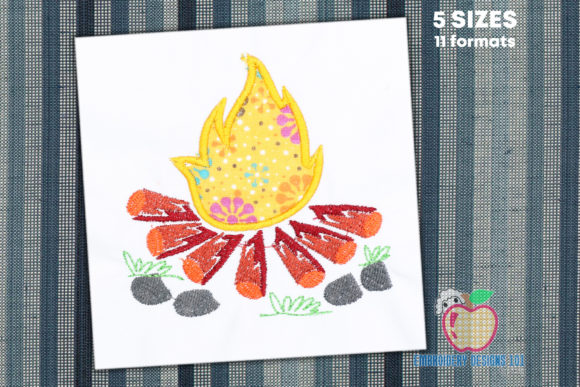
First impressions matter, both for your own creative process and for the eventual customer. This applique doesn't scream; it whispers. It evokes a mood of coziness, nostalgia, and shared moments. The layout is straightforward—a central flame, logs arranged below—which gives it a clean, graphic quality that’s versatile. The detail level isn't overly complex, which is often a benefit for an applique. It suggests personality without being cluttered, making it a candidate for projects where you want a touch of thematic charm without overwhelming the garment or item.
Where This Design Naturally Belongs
This isn’t a design for a formal blouse. Its soul is in casual, heartfelt items. I pictured it instantly on a sturdy canvas tote bag, a gift for a friend who loves the outdoors. It feels perfect for a heavyweight sweatshirt, the kind you wear on a chilly evening. For a small business, it could be a lovely addition to a line of rustic kitchen towels or apron designs. For personalized gifts, imagine it on a baby’s blanket or nursery pillow cover, paired with a name—it creates a gentle, outdoorsy theme without being too bold. As an Etsy seller or boutique owner, this design could anchor a series of camping-themed merchandise, from patches to simple tea towels.
Performance in the Real World of Embroidery
Moving from theory to practice is where an experienced eye really evaluates a design. Let’s talk about how this Campfire Applique would perform in actual projects.
On custom apparel like t-shirts or sweatshirts, the separated color changes indicated in the description are a good sign for control. You'll want to pay close attention to the satin stitch borders (likely around the flame and logs) and the fill stitches for the interior areas. On a tote bag, the design should hold up well due to the fabric’s stability. For baby clothes or blankets, opt for softer, smoother fabrics to ensure the applique edges are gentle and the stitches aren't too dense against delicate skin.
Creating an embroidered patch from this design is a strong possibility. Its clear shapes would translate well, and a patch offers immense versatility for craft fair products or boutique branding. On caps or hats, the curved surface requires careful stabilization, but the design's likely not overly large, which helps. For holiday gifts or wedding gifts for an outdoorsy couple, embroidered on a pillow cover or blanket, it becomes a meaningful, handmade presentation that increases the item's perceived value and giftability.
Where to Exercise Caution
While the design is appealing, every embroidery file has its limits. The small, detailed corners of the flame elements might need a sharp needle and precise tension. If you're working with stretchy fabric or thin fabric without proper stabilizer, the applique could pucker or distort. On dark fabric, your thread color choices for the applique pieces become critical—you need contrast for the scene to pop. I would avoid using it on very small hoop sizes if the design is inherently medium-scale; crowding it reduces clarity.
Consider the end-use. For items that need frequent washing, like kitchen towels or baby items, ensure your stitch density and applique attachment are robust. A loose satin stitch edge won't survive many cycles. This isn’t a fault of the design itself, but of the execution—it’s a reminder for us as makers to choose our materials and techniques wisely.
The Impact on Your Project and Your Customer
Beyond the stitch-out, a design affects your business and your customer’s experience. The Campfire Applique, when stitched well, offers clear visual appeal and stitching clarity. That clarity builds customer trust. They see a clean, professional finish. For a handmade product, this level of finish elevates it from “homemade” to “artisan.”
If you’re building a brand around rustic, cozy, or outdoor themes, this design can contribute to brand consistency. Its recognizable theme engages buyers looking for that specific mood. For digital product sellers offering the file itself, its clean structure and multiple format promise (as noted in the description) make it a viable commercial embroidery asset for other makers. Always, however, confirm the licensing details before selling finished items or the digital file itself.
A Few Designer Notes Before You Hoop
- Test on scrap fabric first. Use the same fabric and stabilizer combo as your final project. This reveals any issues with density or puckering.
- Check thread color contrast. Play with colors. The classic flame might work in oranges and yellows, but consider a monochromatic scheme for a modern twist.
- Review the design in black and white mockups to judge its form independently of color. Does the shape hold up?
- Compare it on light and dark backgrounds in your software preview. This helps plan thread choices.
- The description mentions multiple embroidery file formats and machine compatibility. Verify these specifics with the seller to ensure compatibility with your machine before purchase.
- For craft business items, consider how it looks in printable mockups for your Etsy listings. A clean stitch-out photograph sells the finished product better than any generic image.
In my view, the Campfire Applique is a solid, thematic design with a wide range of applications for hobbyists and entrepreneurs alike. Its value lies not in complexity, but in its evocative simplicity. When paired with the right project, fabric, and careful embroidery technique, it can transform a simple item into a cherished keepsake or a bestselling product in your small shop. That’s the real test of any embroidery design: does it help you create something people will love? This one, handled with practical care, certainly can.