Running Dynamite: A Military-Themed Embroidery Design Review
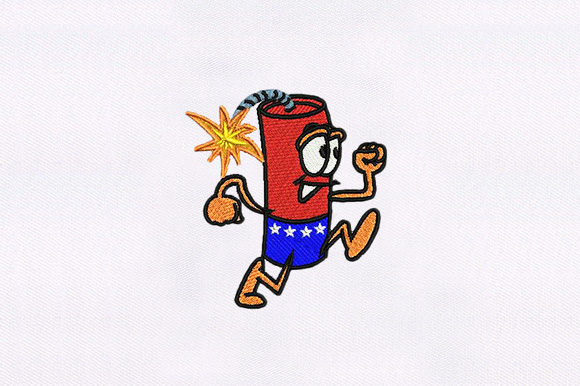
When I first opened Running Dynamite, my immediate impression was of bold, energetic movement. This isn't a static, formal military crest. It’s an action-ready emblem, full of kinetic personality. The layout feels dynamic, suggesting speed and readiness, which sets a very specific mood. For embroidery, that means it carries an attitude. It’s not just a symbol; it’s a statement. This design naturally belongs to projects where you want to convey strength, vigor, or a spirited dedication—think gear for runners, fitness enthusiasts, or anyone with a go-getter mindset, even within a military theme.
Where This Design Finds Its Perfect Home
In my workshop, I’m always thinking about where a design will look best once it’s stitched into reality. For Running Dynamite, I envision it shining on items that match its energetic vibe. A heavyweight cotton sweatshirt or a durable canvas tote bag would be excellent canvases. The bold lines would stand up beautifully, creating a high-value look for small shop merchandise or boutique branding. I can also see it working wonderfully as a focal point on a baseball cap, where its dynamic shape would wrap nicely around the curve.
For a more personal touch, this could make a striking gift. Embroidered onto a high-quality pillow cover for a den or study, or even onto a tea towel in a kitchen with a rustic, patriotic theme, it adds a handmade, personalized feel that generic store-bought items lack. The design’s clarity and theme would also lend itself well to embroidered patches, offering crafters a fantastic product for Etsy listings or craft fair tables.
Caution Zones: Where to Use a Careful Hoop
While the design is bold, its successful application depends on thoughtful execution. On highly textured fabrics like some sweater knits, fine details could get lost. I’d be cautious using it on very thin or stretchy fabrics without absolutely perfect stabilizer and tension, as the design’s impact relies on clean, defined edges.
Stitching it onto dark fabric backgrounds requires a careful thread color strategy to ensure the visual elements pop with the intended contrast. And for smaller items, like baby clothes or delicate handkerchiefs, you’d need to confirm the available file formats include a size appropriate for a small hoop, ensuring the design doesn’t become overly dense and stiff. The description lists many embroidery file formats—including PES, JEF, DST, and others—so compatibility is broad, but the specific stitch count and minimum hoop size are details you must check within your downloaded file before proceeding.
The Practical Impact on Your Projects and Customers
From a professional standpoint, using a design like Running Dynamite affects more than just the stitch quality. It influences perceived value. A clean, well-executed rendition of this on a custom apparel item signals craftsmanship. It builds customer trust because the finished product looks intentional and professional, not haphazard. For a creative entrepreneur selling handmade products, this consistency in quality directly supports your brand.
The design’s strong thematic identity also enhances “giftability.” It’s recognizable and carries a clear meaning, making it an excellent choice for holiday gifts, wedding gifts for a military couple, or personalized products for a niche audience. This specificity can drive buyer engagement in your online shop—people searching for this aesthetic will find it and appreciate its execution.
A Designer’s Notebook: Pre-Stitch Checklist
Before I ever load this machine embroidery design for a real client project, here’s my practical routine. I always stitch it out on scrap fabric first, ideally a similar material to my final product. This test reveals everything: the true stitch density, how small details like any potential lettering render, and whether the satin or fill stitches lay down smoothly.
I check thread color contrast by viewing the design in both black and white printable mockups and by testing a few key colors on both light and dark fabric backgrounds. I confirm my hoop size is adequate and that I’m using the proper stabilizer for the fabric type. Crucially, I verify the licensing terms for the digital embroidery file before using it for commercial embroidery projects or selling finished items. The product category is listed as Military, and the type as Embroidery, but the specific license for personal or commercial use is a detail you must ascertain separately.
Finally, I consider the design’s versatility as a digital product asset. If I were an Etsy seller of embroidery files, I’d ensure my previews show it stitched out in various contexts—maybe on a mockup of a tote and a cap—to give buyers a clear idea of its application. For craft business owners, the broad file format support (from ART and EXP to VIP and XXX) is a huge plus, ensuring it works across many machines, but always advise your customers to double-check their specific format needs.
In essence, Running Dynamite is a design with personality and power. Its real-world success hinges on the embroiderer’s skill and preparation. With the right fabric, careful setup, and a clear understanding of its licensing, it can become a standout element on everything from a personalized gift to a line of small shop merchandise, delivering that confident, energetic statement it’s clearly built to make.