From Design to Display: Selling the Knight Helmet Embroidery
As an embroidery designer preparing for a weekend craft fair, my first step is always to review a new design file through a maker's lens. I look at the Knight Helmet machine embroidery design and immediately consider its journey from a digital file to a finished product on my booth table. This isn't just about aesthetics; it’s about practical production, visual appeal at a glance, and ultimately, what makes a customer stop and take a closer look.
The Immediate Impression: Bold and Statement-Making
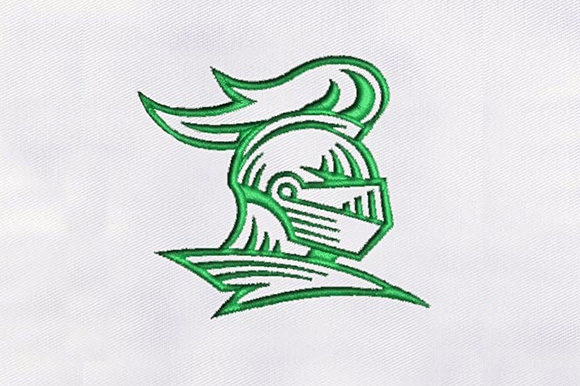
The title alone, Knight Helmet, sets a strong tone. This isn't a soft, floral motif. It belongs to the Military category and carries an inherent sense of strength, history, and bold graphic appeal. In a crowded marketplace, designs that are instantly recognizable and carry a clear thematic weight have an advantage. For customers walking past, a bold knight helmet embroidered on a dark tote bag or a crisp apron can create a point of focus. It feels decorative, premium, and unambiguously thematic, which is a selling point for niche audiences, gift buyers, or anyone drawn to medieval, historical, or armored aesthetics.
Where This Design Stands Out on the Product Table
My booth display is a mix of functional and giftable items: tote bags, aprons, tea towels, caps, small pouches, and pillow covers. Each product serves a different customer need, and the design must adapt.
Tote Bags and Market Bags: The Focal Point
For larger items like tote bags, the Knight Helmet can serve as a stunning central design. Its likely intricate details—think visor lines, helmet contours—can translate into a dense, quality-looking stitch area that elevates a simple canvas bag. The boldness of the theme increases the perceived value, making the bag feel like a statement piece rather than just a carrier. This is a prime candidate for a best-selling craft fair product.
Aprons and Tea Towels: Niche Kitchen Appeal
On an apron or a kitchen towel, this design moves into niche territory. It won't be for everyone, but for someone who loves historical cooking shows, medieval-themed events, or simply strong graphic prints in their kitchen, it becomes a unique conversation piece. The key here is stitch execution. On textured towel fabric, ensuring clean lines with the right stabilizer is crucial to prevent the design from looking fuzzy. It’s a handmade product that tells a specific story.
Caps and Patches: The Challenge of Scale and Surface
Embroidered patches or cap designs are smaller-scale applications. This is where a careful review of the embroidery file is essential before production. Does the Knight Helmet design have tiny details that might lose clarity when stitched small on a curved cap surface? If so, it might be better suited as a larger patch applied to a backpack or jacket, where its details can shine. This affects both production ease and final customer attention.
Pillow Covers and Small Pouches: Decorative Gift Potential
As a decorative element on a pillow cover or a fabric pouch, the helmet takes on a more ornamental role. It could appeal to buyers looking for masculine-themed home decor or unique giftable items. For these applications, considering fabric color is vital. Stitching this likely detailed design on dark fabric requires excellent thread contrast to maintain its bold impact. A successful mockup here can drive buyer engagement at the booth.
The Practical Production Checklist for Sellers
Turning this digital embroidery file into a profitable batch of products requires a disciplined approach. Here’s my real-world checklist before I commit to batch production for my fair inventory.
- Always Test First: Stitch the Knight Helmet out on scrap fabric of the same type you plan to use (canvas for bags, twill for caps, linen for towels). This reveals everything.
- Check Stitch Density and Thread Contrast: Look for overly dense stitch areas that might pucker thick fabric or require multiple hoopings. Assess if the chosen thread colors pop against your intended fabric backgrounds.
- Review for Tiny Details: Examine the stitched test sample for any extremely small lettering or intricate lines that might blend into a blob at smaller sizes or on textured towels.
- Confirm Hoop Size and Stabilizer Needs: While the specific hoop size isn’t provided here, the listed array of file formats (including PES, DST, JEF) suggests wide machine compatibility. Your test will determine the necessary hoop size and stabilizer type for a clean stitch on each product.
- Create a Real Physical Mockup: Before selling, make at least one finished product—a tote bag or pillow cover—to see how it feels and looks in person. This is also your best booth display strength and photography sample.
- Photograph for Online Sales: For Etsy sellers and digital shops, how this design photographs is critical. Bold, clear designs like this often photograph well for online listings and printable mockups, capturing the handmade quality effectively.
- Batch Production Considerations: Is the design repeatable? Does it stitch out reliably without constant thread breaks or re-hooping? A smooth production run is key for creating inventory for your small shop product line.
- Licensing Final Check: The description notes it’s a machine embroidery design for commercial use. Always double-check the specific license terms of the file you purchase to confirm it covers selling the finished products at craft fairs and online.
Turning Digital Files into Booth Success
The Knight Helmet embroidery design, with its clear theme and bold graphic potential, is a strong candidate for a specialized product line. Its success hinges not on the file alone, but on the maker's skill in pairing it with the right product, fabric, and production process. On a craft fair table, amidst softer designs, it can carve out a distinct space, attracting customers with specific interests. It enhances product value through its thematic weight and the obvious skill required to execute it cleanly. For embroidery business owners looking to expand their niche offerings, this kind of design can build brand consistency around a bold, historical aesthetic. My final advice is always to stitch it, see it, and let the physical sample tell you if it’s ready for the market.