Sweet Dreams Little One: A Nursery Design for Real Projects
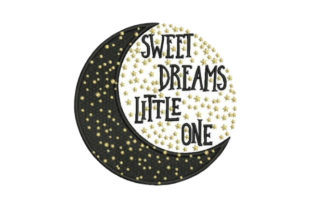
When an embroidery file lands in my library, my first question isn’t just "Is it cute?" It’s "Where will this design live, and how will it stitch out?" With Sweet Dreams Little One, the answer comes quickly. This is a design with a clear, gentle purpose. It’s not trying to be everything to everyone; it’s whispering a specific, tender mood perfect for baby-related projects.
The Immediate Mood and Practical Personality
Opening the file, the design feels soft and welcoming. The shapes are rounded, the layout is balanced, and the detail level strikes a good middle ground—it’s illustrative without being overwhelmingly dense. This visual personality doesn’t scream; it comforts. It naturally belongs on items meant for a nursery, for a gift celebrating a new arrival, or for products that carry a sense of handmade warmth.
For a designer or crafter, this tells you something practical: Sweet Dreams Little One has a strong thematic anchor. You wouldn’t necessarily put it on a rugged work apron, but you would instantly see its place on a baby blanket, a delicate pillow cover, or as a sweet accent on a little one’s sweatshirt. Its appeal is targeted, which is actually a strength when planning your product line or client work.
Performance in Real-Life Embroidery Situations
Let’s walk through a typical scenario. Imagine you’re preparing a custom embroidered tote bag for a baby shower gift. You want something unique, personal, and durable. Sweet Dreams Little One comes to mind. On a canvas tote, the design’s softer theme gets a nice contrast with the sturdy fabric, creating a gift that feels both useful and heartfelt. The stitch density needs to be considered—if the file has areas of solid fill stitch, you’ll want a good stabilizer to handle the canvas texture and ensure clean satin stitch borders or lettering.
On baby clothes, like a soft cotton jersey sweater, the design’s scale becomes crucial. You’d likely hoop a smaller size, ensuring the embroidery isn’t too large or heavy for the delicate garment. The success here depends heavily on testing on similar scrap fabric first. How do the small details, like possibly tiny stars or closed lettering in "Little One," stitch out on a slightly stretchy knit? A test run answers that.
For commercial projects, say you run a small shop selling nursery decor. This embroidery file could become a core design asset for a series of products: embroidered wall hoops, personalized baby name pillows, or even as an applique design on a quilt. Its consistent theme builds brand cohesion. For an Etsy seller, it offers a ready-made, professional-looking design for creating high-value handmade products without needing to illustrate from scratch.
Where This Design Shines and Where to Be Careful
Sweet Dreams Little One shines on stable, light-colored fabrics where its gentle details can pop. Think linen pillow covers, cotton tea towels for a nursery kitchen, or as a beautiful patch on a keepsake blanket. It’s ideal for projects where visual clarity and a soft aesthetic are the goals.
Use it carefully on tricky surfaces. On a curved cap, the rounded layout might adapt well, but any very dense fill stitch areas could pose challenges. On dark fabrics, thread color contrast is paramount; you’d need to choose a palette that maintains the design’s light, dreamy feel. Thin or highly textured fabrics might not support intricate details well, and items destined for frequent washing need a robust stitch structure to endure.
The key is to match the design’s inherent personality with the product’s function. It’s a design for calm, for celebration, for personalization. Putting it on a holiday gift for a new parent? Perfect. Using it for boutique branding on your baby product line? Excellent. Forcing it onto a product where the mood clashes? That diminishes its value.
Impact on Your Work and Your Customer’s Eye
From a professional standpoint, a design like this affects several layers. Stitching clarity is everything. If the file is well-digitized, Sweet Dreams Little One will embroider with clean edges and minimal thread breaks, which directly boosts customer trust in your craftsmanship. A messy stitch-out on a beloved baby item is a fast way to lose reputation.
When it stitches well, it elevates product value. A simple cotton pillow becomes a nursery heirloom. A plain sweatshirt becomes a personalized gift. This transformation is the core of why we use embroidery designs. For the maker, it adds efficiency; you’re applying a beautiful, ready-made art to your medium. For the buyer, it offers recognition—they see a familiar, warm theme executed with professional handmade presentation.
This design also has high giftability. Its name alone, "Sweet Dreams Little One," communicates its purpose. Items embroidered with it don’t need much explanation. They feel complete, thoughtful, and directly emotional. For creative entrepreneurs, that’s a powerful tool. It engages buyers by speaking directly to a specific moment in life.
Practical Notes for the Embroidery Designer
Before you hoop that final project, here’s my routine advice. Always test Sweet Dreams Little One on a scrap of your target fabric. Check thread color contrast by running a section in both your planned light and dark thread choices. Inspect the small details in the test—are any corners too tight, is any lettering too fine to read after stitching?
Review the overall stitch density from your test piece. Does it feel appropriate for your fabric weight? Confirm the hoop size you need; a design this thematic might look best at a medium scale, but your product might require a smaller version. Use the proper stabilizer for your material; a nursery item on bed sheets, as the description hints, might need a sturdy stabilizer for a smooth finish on that larger, often textured fabric.
For commercial use, a critical step is to check the licensing terms of the embroidery file. Can you sell the finished product? Can you use it for client work? Never assume. This protects your craft business. Also, consider creating printable mockups from your test stitch-outs to showcase the design in your Etsy listings or digital shop—it shows customers exactly what they’ll get.
Finally, think beyond the obvious. The description suggests bed sheets or wall decoration. That’s a great start. But also consider it for a delicate apron for a parent, a commemorative kitchen towel, a lightweight blanket, or even as a focal point on a baby’s cap for a photoshoot. Its nursery theme is clear, but its application can be creatively wide within that gentle world.
Sweet Dreams Little One, when approached with this practical mindset, becomes more than a cute file. It becomes a reliable partner for creating embroidered products that carry real emotion and real quality. That’s the mark of a design worth hooping.